
Electric Car Radiation: What You Need to Know
Electric cars are changing the way we move, offering cleaner mobility and reduced reliance on fossil fuels. But many drivers and passengers wonder: do electric cars emit harmful radiation?
What kind of radiation do electric cars produce?
Electric vehicles (EVs) rely on high-voltage batteries, inverters, and motors.
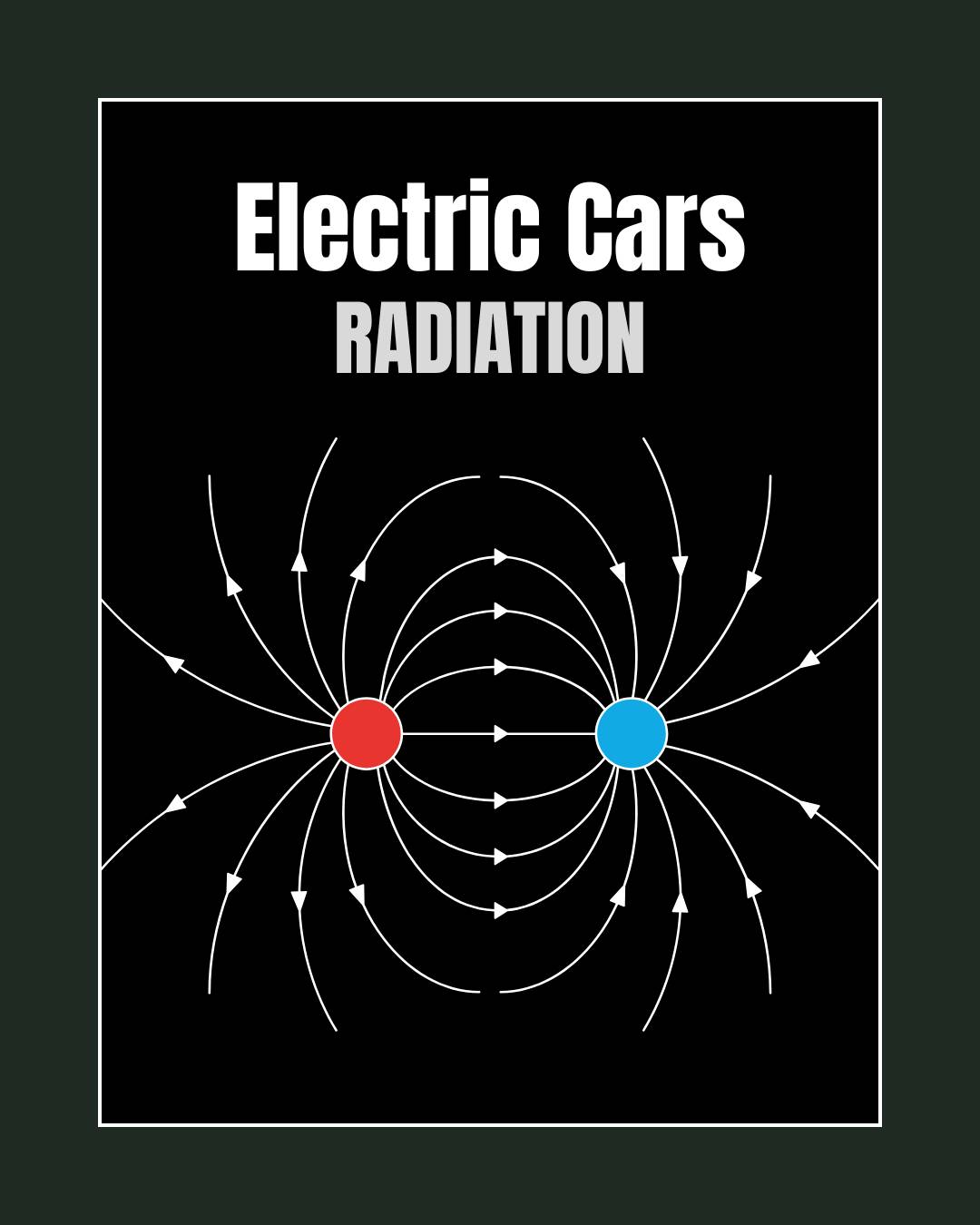
These systems generate low-frequency electromagnetic fields (ELF-EMFs) whenever the car is in motion. In addition, features such as Bluetooth, Wi-Fi, GPS, and mobile connectivity create radiofrequency (RF) signals the same type of radiation your smartphone or home Wi-Fi router uses.
Are these radiation levels dangerous?
According to the World Health Organization (WHO) and the International Commission on Non-Ionizing Radiation Protection (ICNIRP), the radiation levels measured inside electric cars are well below international safety limits.
Research shows:
Exposure levels are often comparable to household appliances like induction cookers, laptops, or hair dryers.
The radiation is non-ionizing, meaning it does not damage DNA the way ionizing radiation (like X-rays) can.
No confirmed long-term health risks have been linked to EMF levels from electric cars.
Drivers vs. passengers: is there a difference?
Drivers sit closer to batteries and motors, so their exposure is slightly higher but still within safe ranges.
Passengers typically experience even lower exposure, since distance reduces EMF intensity.
Key takeaway
Yes, electric cars emit electromagnetic radiation, but at very low levels.
Current evidence shows it is safe for both drivers and passengers. The main considerations for EV ownership remain battery life, charging infrastructure, and overall safety not radiation. Electric cars offer a safe, sustainable alternative to combustion engines. Radiation exists, but it is no greater risk than the technology we already use daily in our homes and offices.
This article is for informational purposes only and does not constitute medical or technical advice. Always refer to official guidelines from the WHO, ICNIRP, and your vehicle manufacturer for detailed safety information.