
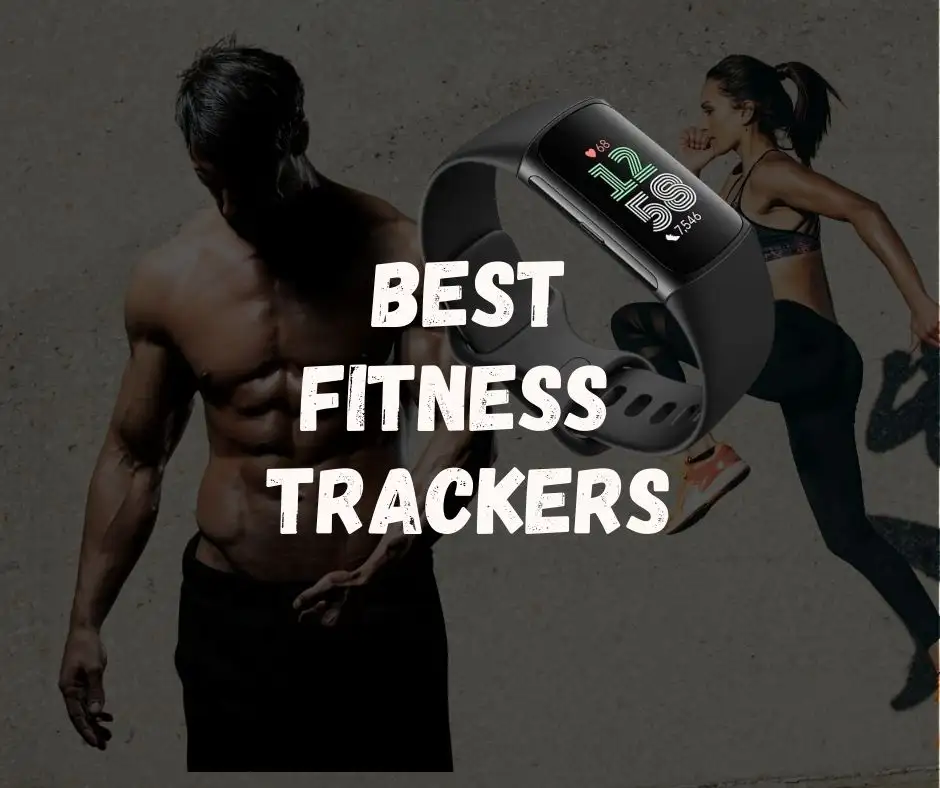
Best Fitness Trackers for women
Choosing the right tracker mainly depends on the features you want to have on your wrist every day. Below is a summary of the key factors to consider before making your purchase:
Sensors & health insights
Heart rate tracking is now a standard feature. Newer trackers focus more on overall trends and recovery, offering metrics such as heart rate variability (HRV), skin temperature changes, and readiness or energy scores that help indicate how your body is coping over time.
Built-in GPS vs connected GPS
Built-in GPS is ideal if you often train without your phone, especially for activities like running, cycling, or hiking. If you usually carry your phone with you, connected GPS can cover your needs while helping to save battery life and reduce cost.
Best Fitness Trackers for men
Battery life
Always-on displays, frequent notifications, sleep tracking, and GPS usage all impact battery performance. Some trackers require daily charging, while others can last several days or even weeks on a single charge.
Durability & comfort
For swimming or water activities, look for a minimum of 5 ATM water resistance. Outdoor users may benefit from tougher materials and scratch-resistant displays. Comfort is equally important — lighter devices are easier to wear all day and during sleep.
Software & long-term support
The companion app plays a major role in the overall experience. Brands that provide regular updates and long-term software support tend to deliver more accurate insights over time, ensuring your tracker remains useful rather than feeling outdated.