
Digital Detox, The Return of “Dumbphones”
In an era where smartphones have become an extension of daily life—from work to entertainment—something unexpected is happening: more and more people are walking away from hyper-smart devices in favor of… “dumb” ones.
So-called dumbphones are making a comeback. Not because technology is missing—but because many of us may simply be tired of it.
A hyper-connected world—running on empty
Notifications, social media, endless apps, and the constant noise of digital multitasking have turned the smartphone from a tool into a source of stress. A growing number of users are now looking for devices that do only what’s essential: calls, SMS, maybe a simple camera. Nothing more.
This shift is no longer limited to older generations. On the contrary, many younger users are deliberately choosing simpler devices to reduce screen time and regain control over their everyday routines.
Digital detox becomes a lifestyle
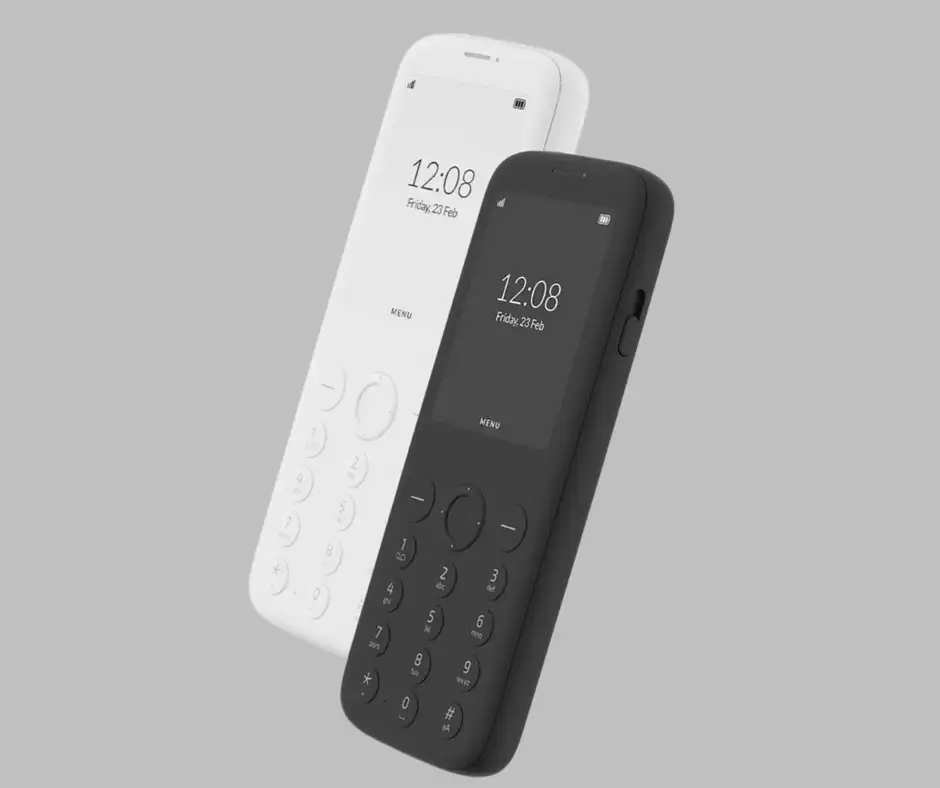
Brands that once disappeared from the mainstream are now seeing a revival. Classic “flip” models and minimalist phones with physical buttons are steadily rising in popularity.
The reason is simple: People aren’t looking for a technological “downgrade,” but for a mental upgrade. They want less noise, fewer distractions, and more focus on what truly matters.
The fatigue of “always online”
Smartphones have become so powerful that some people now feel trapped by them. Research suggests that:
- The average user checks their phone more than 100 times a day.
- 40–60% report feeling “addicted.”
- Many say they struggle to disconnect—even at bedtime.
In this environment, a simple phone can feel like a luxury.
From technology to well-being
The shift toward dumbphones isn’t just a tech trend—it’s a psychological one. It reflects a growing need for:
- a clearer mind,
- less anxiety,
- more real-world connection,
- and genuine offline moments.
Some people use them as “weekend phones”, others as a second device for travel or to limit attention-grabbing apps. In families, dumbphones are also gaining traction as a more balanced option for teenagers.
Simple phones = privacy phones
What’s interesting is that rather than being seen as outdated, dumbphones are returning as a modern response to tech overload.
- They offer excellent battery life.
- They’re durable—often with physical buttons.
- They’re safer, with far less personal data exposed.
- They cost much less than a smartphone.
This “back to basics” move isn’t about going backward—it’s about returning to a more balanced everyday life. Being a little less available in a world that never stops might just be the smartest upgrade of all.